Description
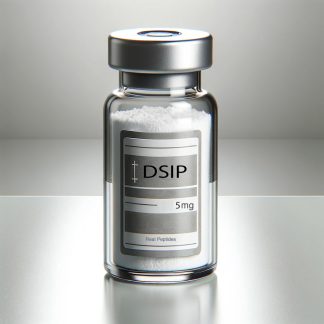
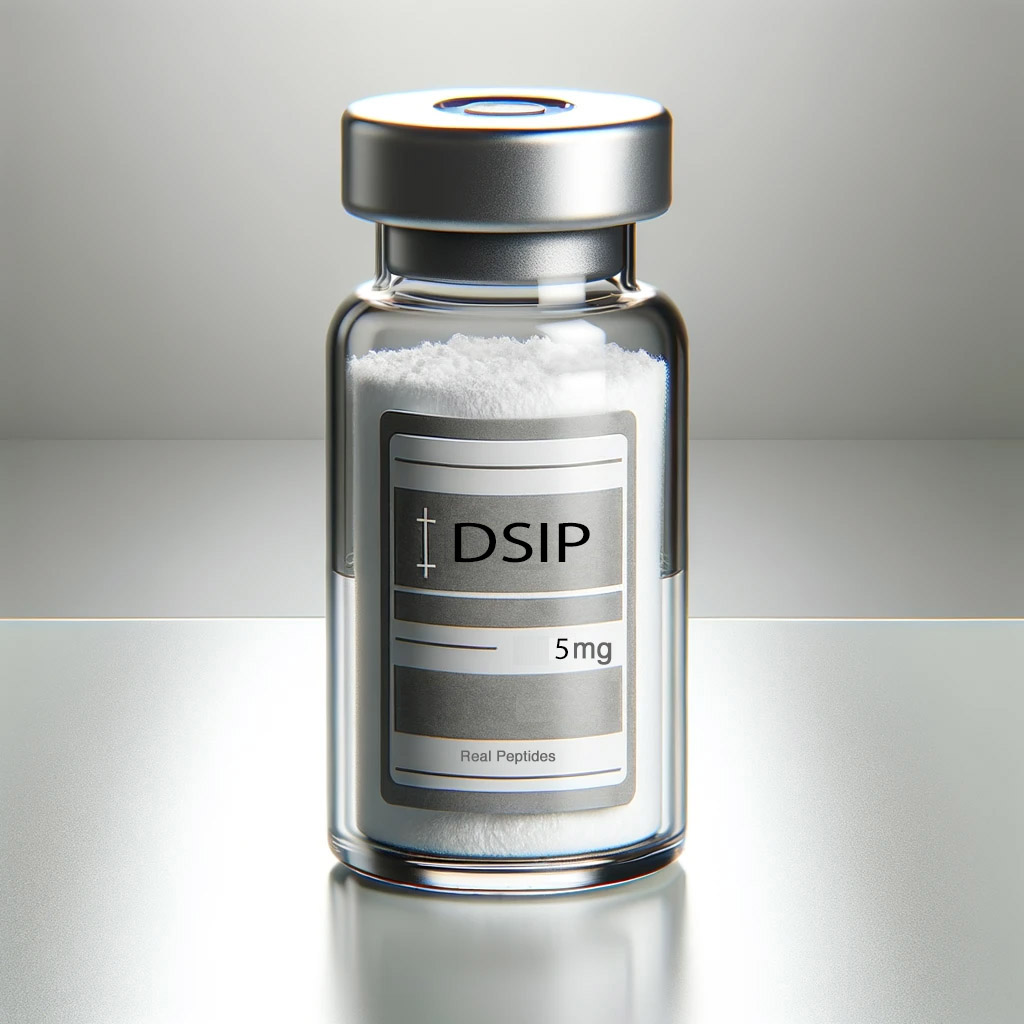
DSIP (Delta Sleep-Inducing Peptide)
5mg
DSIP is a naturally occurring nonapeptide first isolated from the cerebral venous blood of rabbits in a state of deep sleep.1Unlike traditional sedatives that force the body into a state of unconsciousness, DSIP acts as a neuromodulator that seeks to restore the body’s natural sleep-wake cycle (circadian rhythm).2 It is primarily recognized for its ability to promote “Delta” or slow-wave sleep, which is the most physically and mentally restorative phase of the human sleep cycle. Beyond sleep, DSIP has shown potential in regulating the endocrine system and mitigating the physiological effects of chronic stress.3
Usage
-
Medical & Clinical Applications: In certain clinical settings, DSIP has been explored for the treatment of narcolepsy, chronic insomnia, and as a supportive therapy for withdrawal symptoms from alcohol and opioids.4 It is noted for its ability to reduce the autonomic symptoms of withdrawal and alleviate emotional distress.
-
Research Applications: In laboratory environments, DSIP is extensively studied for its impact on the hypothalamic-pituitary-adrenal (HPA) axis.5 Researchers investigate its role in inhibiting the release of Corticotropin-Releasing Hormone (CRH), effectively lowering basal cortisol levels during periods of high stress.
-
Restorative & Wellness Use: Within the research and wellness community, DSIP is often utilized to counteract the effects of “sleep debt” and oxidative stress.6 It is favored by those looking to optimize recovery without the “hangover” effect or dependency risks associated with pharmacological sleep aids.
Research Studies
-
Preclinical Studies: Animal models have demonstrated that DSIP can cross the blood-brain barrier and induce deep EEG-monitored sleep.7 Further studies indicate it possesses potent antioxidant properties, increasing the activity of superoxide dismutase (SOD) and protecting neurons from oxidative damage.
-
Human Studies: Small-scale human trials have shown that DSIP can improve sleep architecture in chronic insomniacs, leading to longer periods of uninterrupted sleep. Unlike benzodiazepines, DSIP has not been shown to decrease the amount of REM sleep, maintaining a more natural sleep profile.8
Potential Benefits
-
Induction of Deep Sleep: Specifically promotes Delta-wave sleep, which is essential for tissue repair, growth hormone release, and cognitive “cleaning.”9
-
Stress Management: Helps normalize the body’s response to stress by modulating the release of glucocorticoids and stabilizing heart rate.
-
Hormonal Regulation: Supports the pulsatile secretion of Growth Hormone (GH) and Luteinizing Hormone (LH), contributing to overall endocrine health.
-
Pain Modulation: Research suggests DSIP may interact with the opioid system to provide analgesic (pain-relieving) effects, particularly in cases of chronic pain.10
-
Neuroprotection: By acting as an antioxidant, it may protect brain cells from the metabolic waste products that accumulate during periods of sleep deprivation.
-
Non-Addictive Profile: Unlike traditional hypnotics, DSIP does not appear to cause physical dependence, tolerance, or morning lethargy.
Conclusion
DSIP represents a unique approach to sleep and stress science. Rather than acting as a sedative, it functions as a regulatory peptide that helps the brain re-establish its own homeostatic balance. Its multifaceted benefits—ranging from deep sleep induction to hormonal stabilization—make it a significant subject of study for those researching longevity, recovery, and neurobiology.
Disclaimer
Disclaimer: The information provided is intended solely for research and educational purposes. It is not intended as medical advice and should not be used for diagnosis, treatment, prevention, or cure of any disease or health condition. DSIP is considered a research chemical in many jurisdictions.11 Its long-term safety and efficacy in humans have not been fully established by major regulatory bodies. All research and handling should comply with applicable laws, regulations, and ethical standards.